

Why Consistent Dehusking Is Critical for Rice Quality & Mill Profits
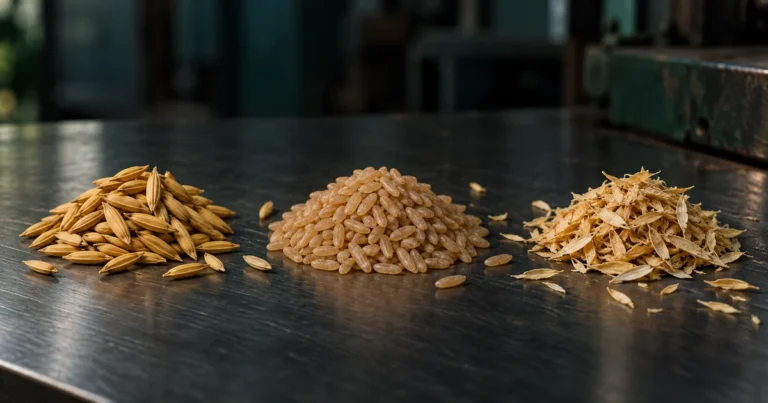
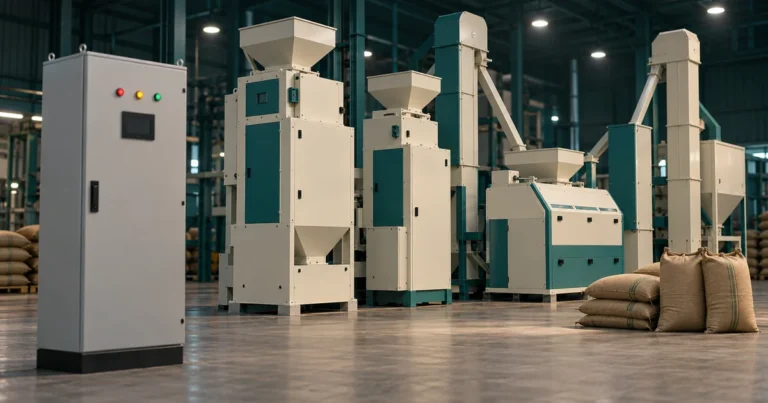
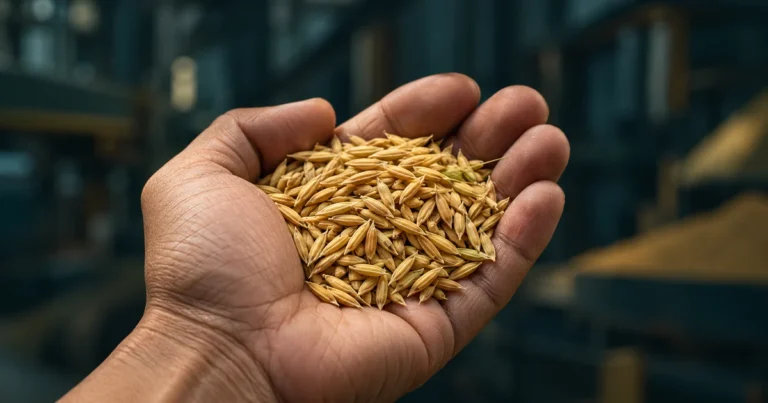
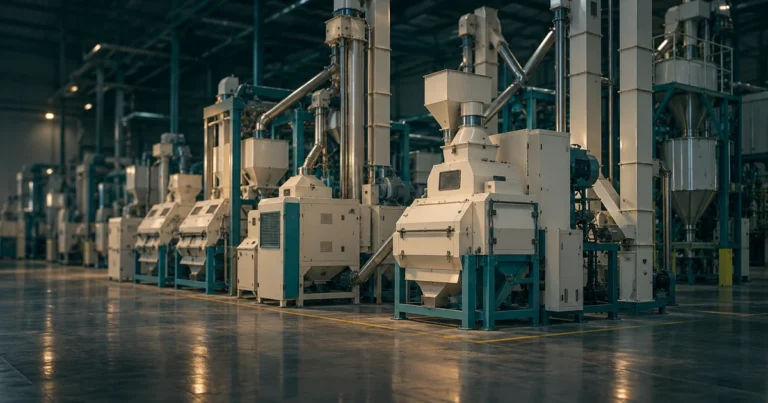
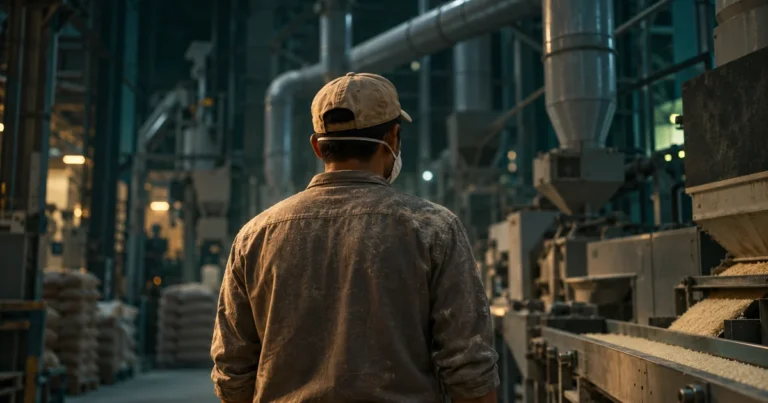
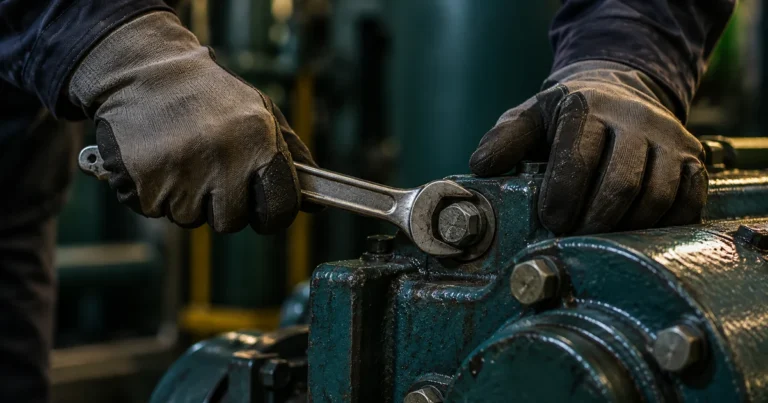
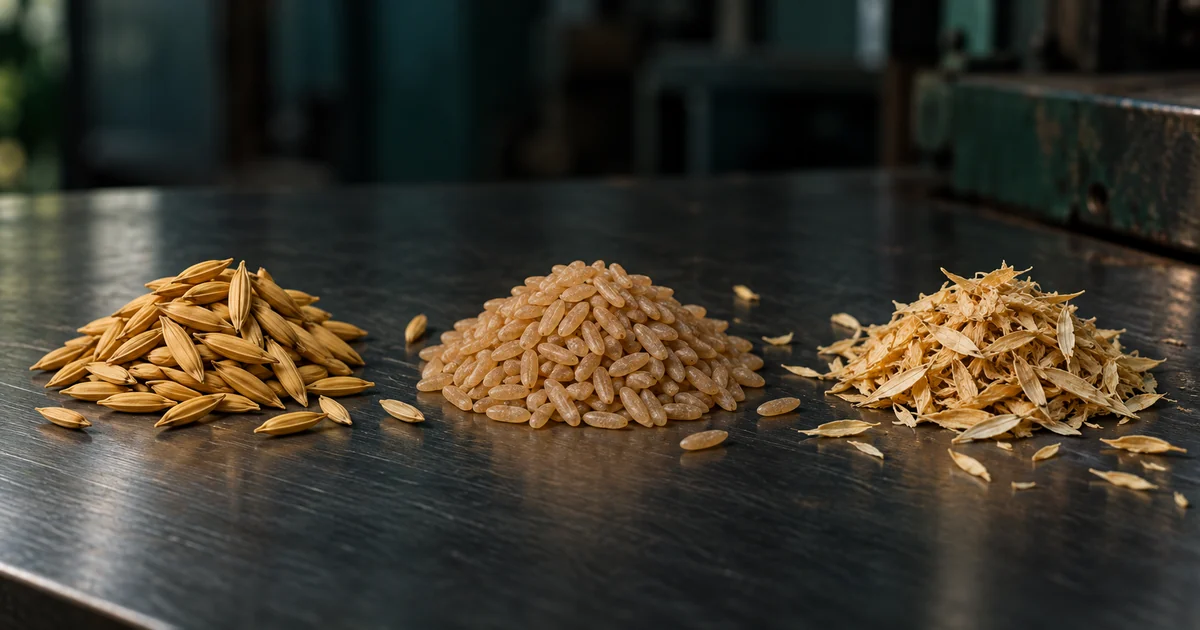
Every tonne of paddy that passes through a rice mill starts at the same place: the husker. The dehusking stage determines the grain’s condition for every…
Practical guides on rice milling, rubber roll selection and mill maintenance, written by the Gold Mohur Overseas team.
Every tonne of paddy that passes through a rice mill starts at the same place: the husker. The dehusking stage determines the grain’s condition for every…
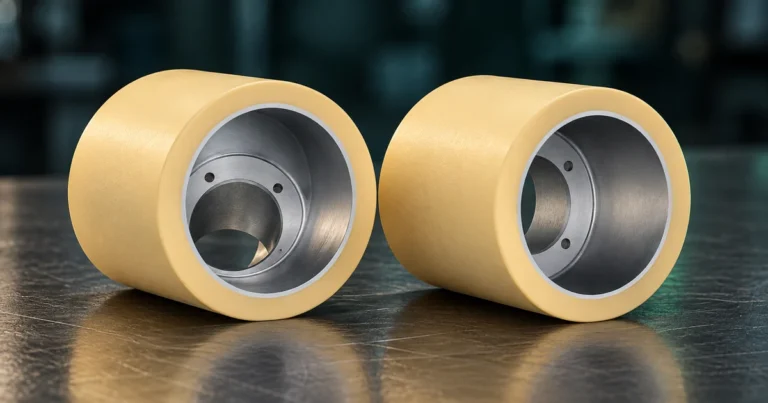
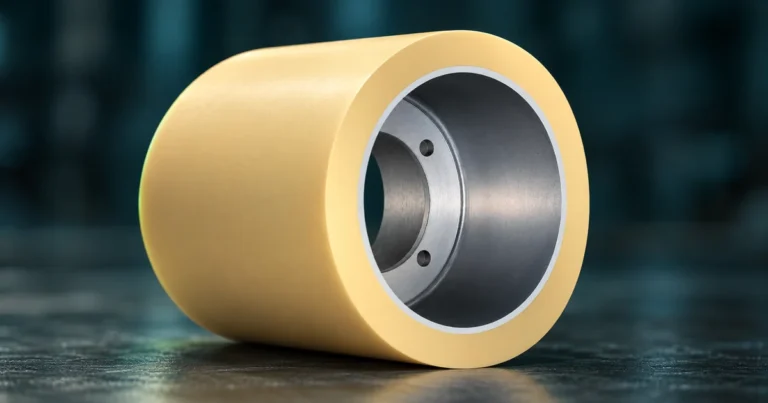
Choosing the right rubber roll for rice milling is not a one-size-fits-all decision. Basmati paddy requires a completely different roll specification than IR64…
The Indian rice milling industry processes over 100 million tonnes of paddy annually - and most mills still run on manual oversight, reactive maintenance, and…
Choosing between a rubber roller husker and a steel huller is one of the first and most consequential decisions in setting up a rice mill. The wrong choice…
Setting up a new rice mill, troubleshooting persistent quality problems, or planning a capacity expansion - these are situations where a rice mill consultant…
Electricity is typically the second-largest operating cost in a rice mill after paddy procurement - consuming 15-25 kWh per tonne of paddy processed. For a 2…
Moisture content in paddy is not just a storage concern - it is the single biggest factor that determines broken rice percentage at the dehusking stage. Mills…
Understanding how a rice mill works at the machine level - not just the flow sequence, but what each machine actually does mechanically, what controls it, and…
Paddy dust is the most underestimated hazard in a rice mill - invisible during operation, dangerous over time, and a compliance liability that regulators are…
Unplanned downtime in a rice mill costs ₹5,000-15,000 per hour of lost processing time - not counting emergency repair costs and broken supply commitments…
Every tonne of paddy that passes through a rice mill starts at the same place: the husker. The dehusking stage determines the grain’s condition for every…
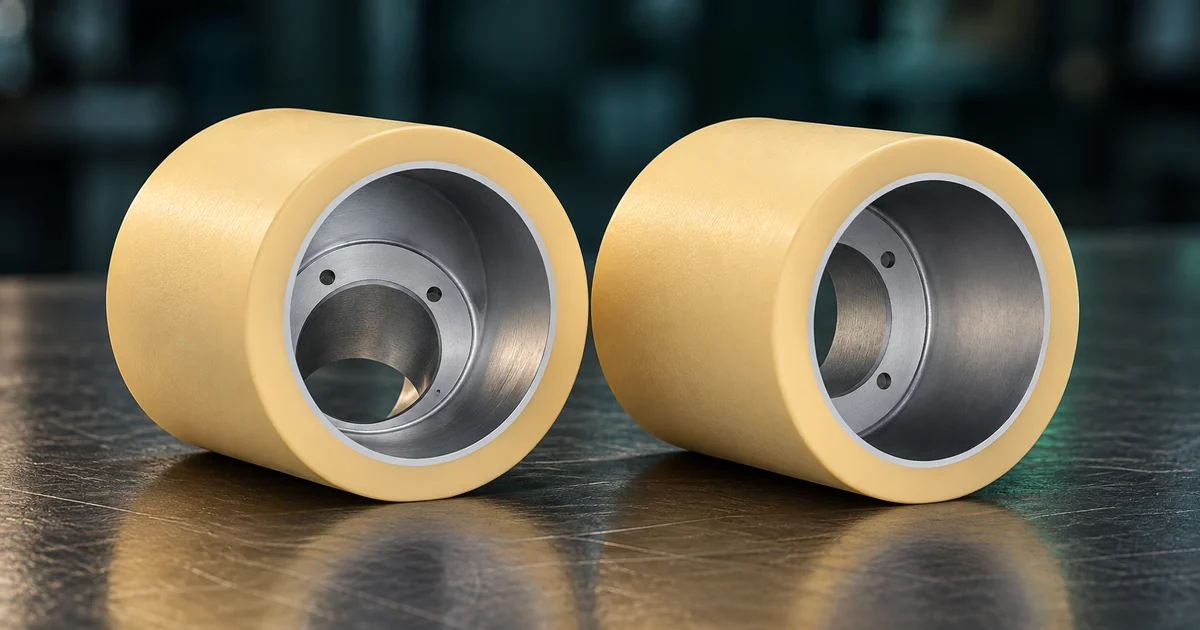
Choosing the right rubber roll for rice milling is not a one-size-fits-all decision. Basmati paddy requires a completely different roll specification than IR64…
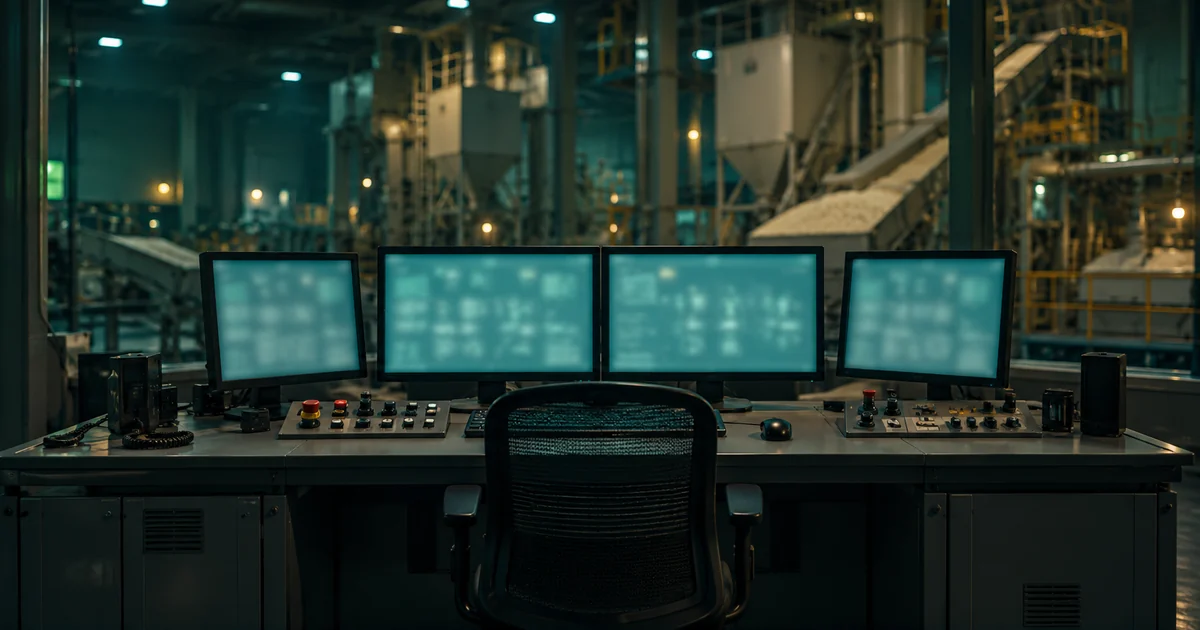
The Indian rice milling industry processes over 100 million tonnes of paddy annually - and most mills still run on manual oversight, reactive maintenance, and…
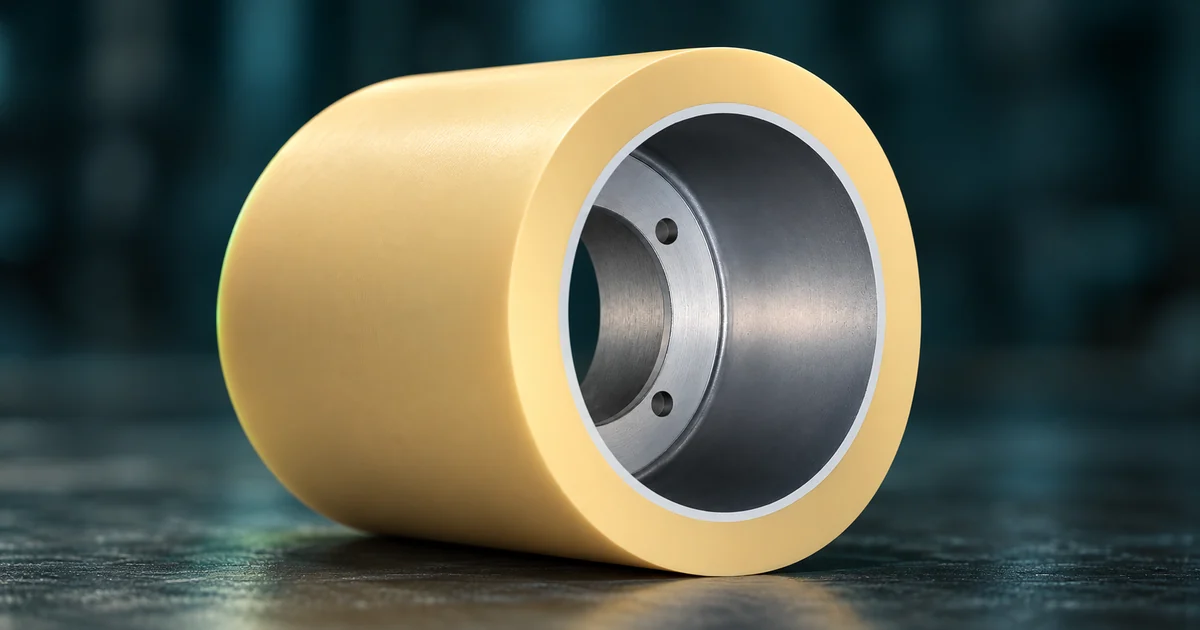
Choosing between a rubber roller husker and a steel huller is one of the first and most consequential decisions in setting up a rice mill. The wrong choice…
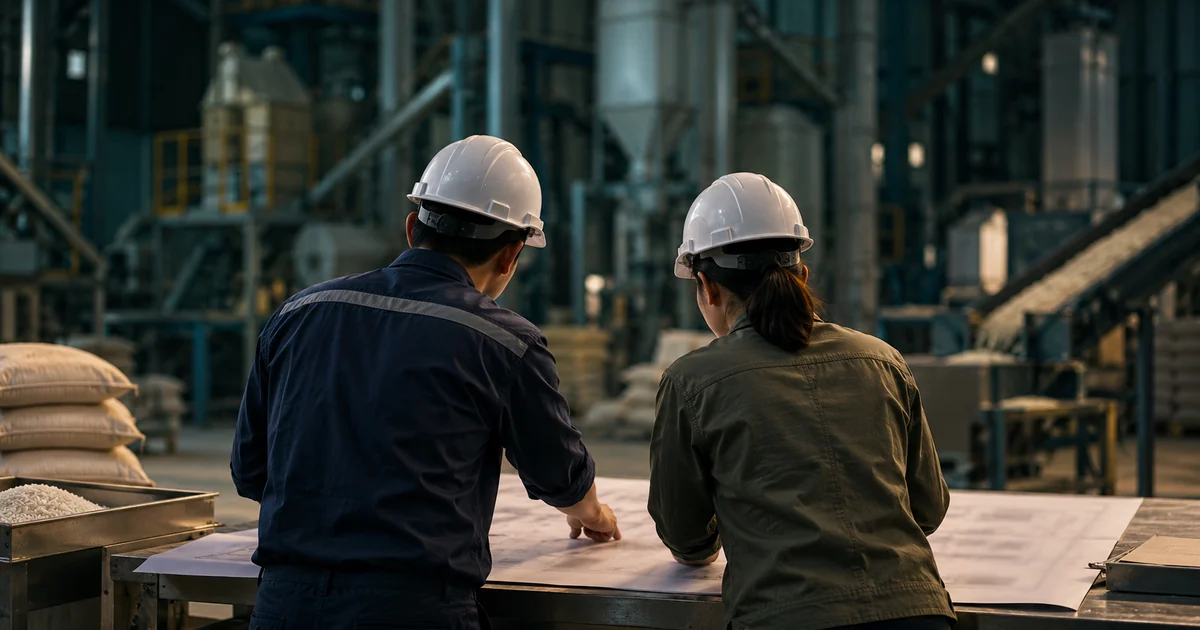
Setting up a new rice mill, troubleshooting persistent quality problems, or planning a capacity expansion - these are situations where a rice mill consultant…
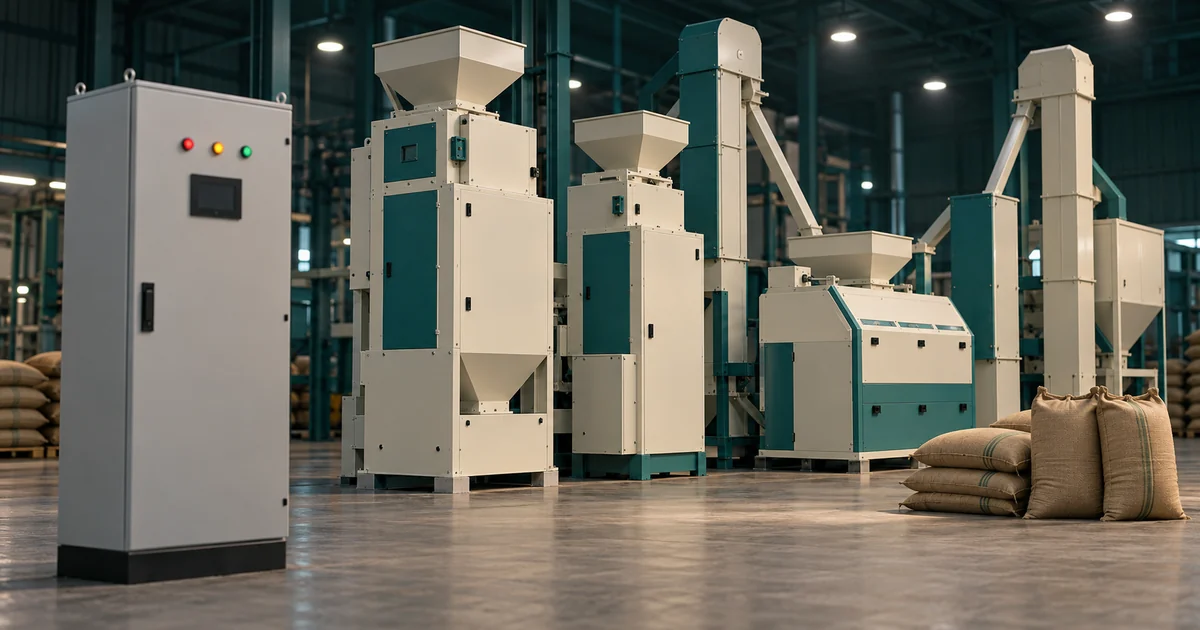
Electricity is typically the second-largest operating cost in a rice mill after paddy procurement - consuming 15-25 kWh per tonne of paddy processed. For a 2…
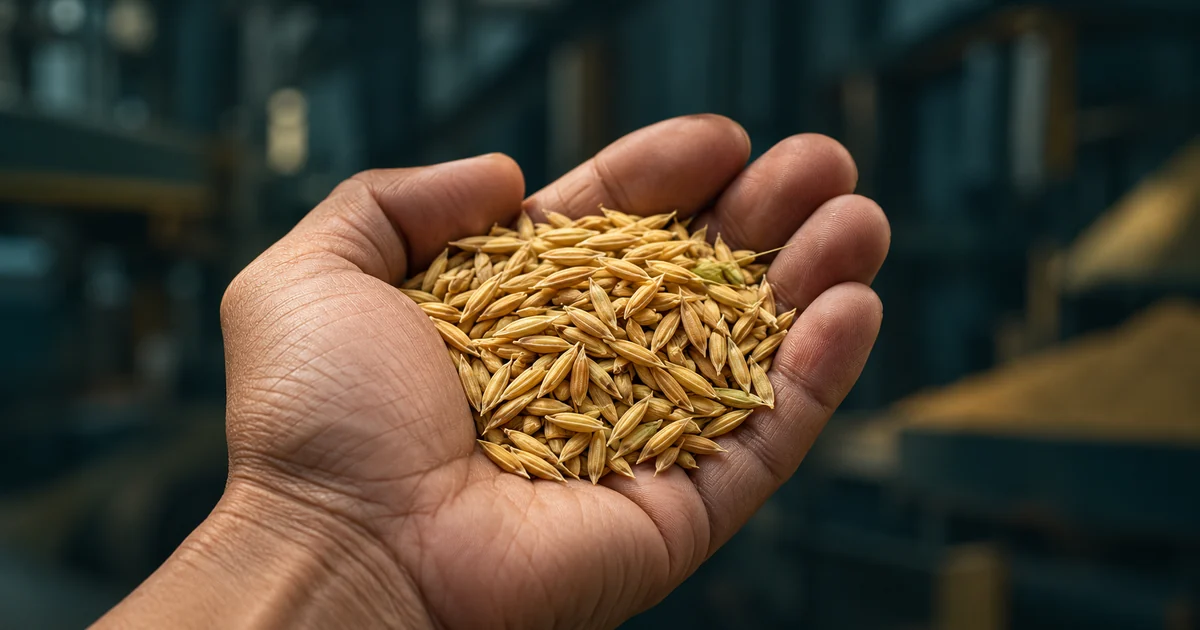
Moisture content in paddy is not just a storage concern - it is the single biggest factor that determines broken rice percentage at the dehusking stage. Mills…
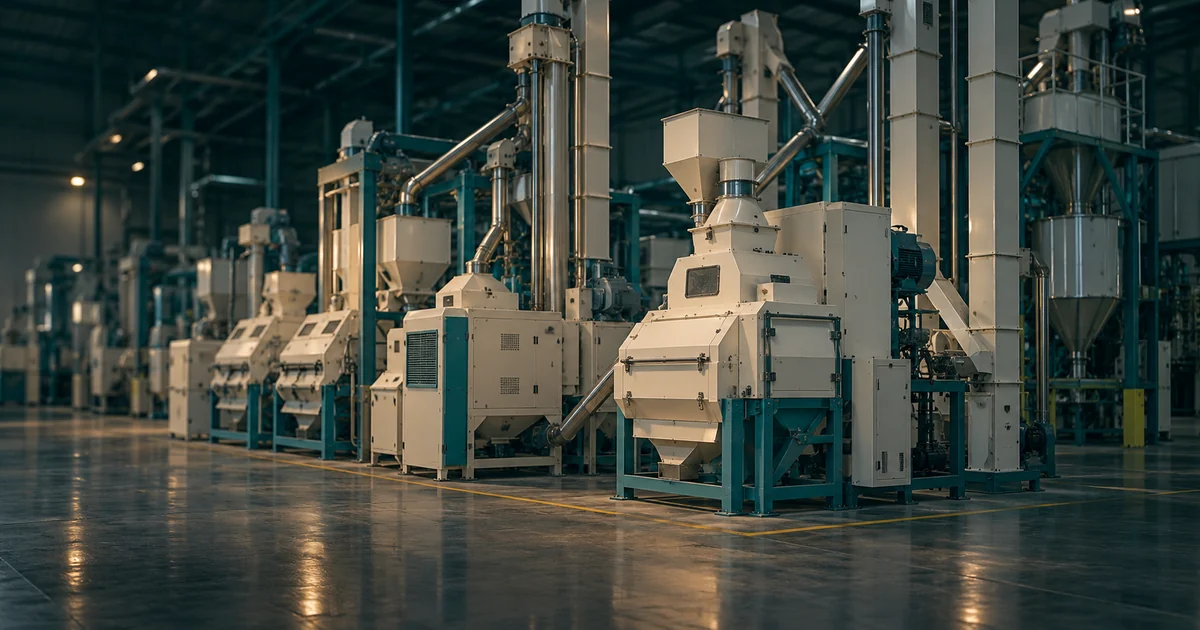
Understanding how a rice mill works at the machine level - not just the flow sequence, but what each machine actually does mechanically, what controls it, and…
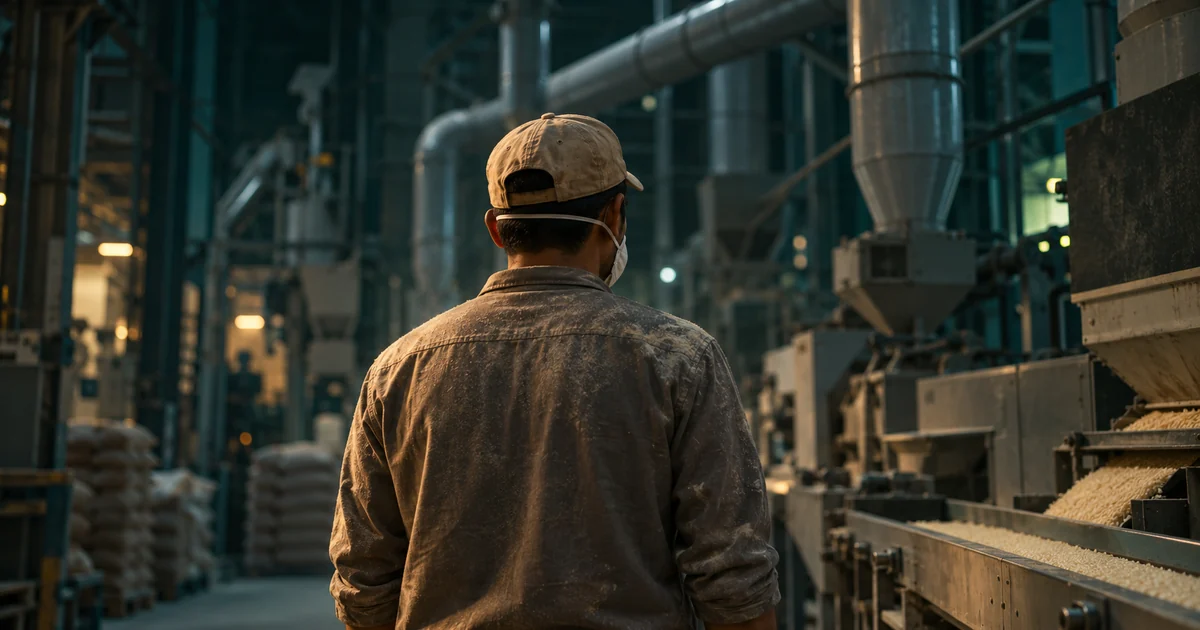
Paddy dust is the most underestimated hazard in a rice mill - invisible during operation, dangerous over time, and a compliance liability that regulators are…
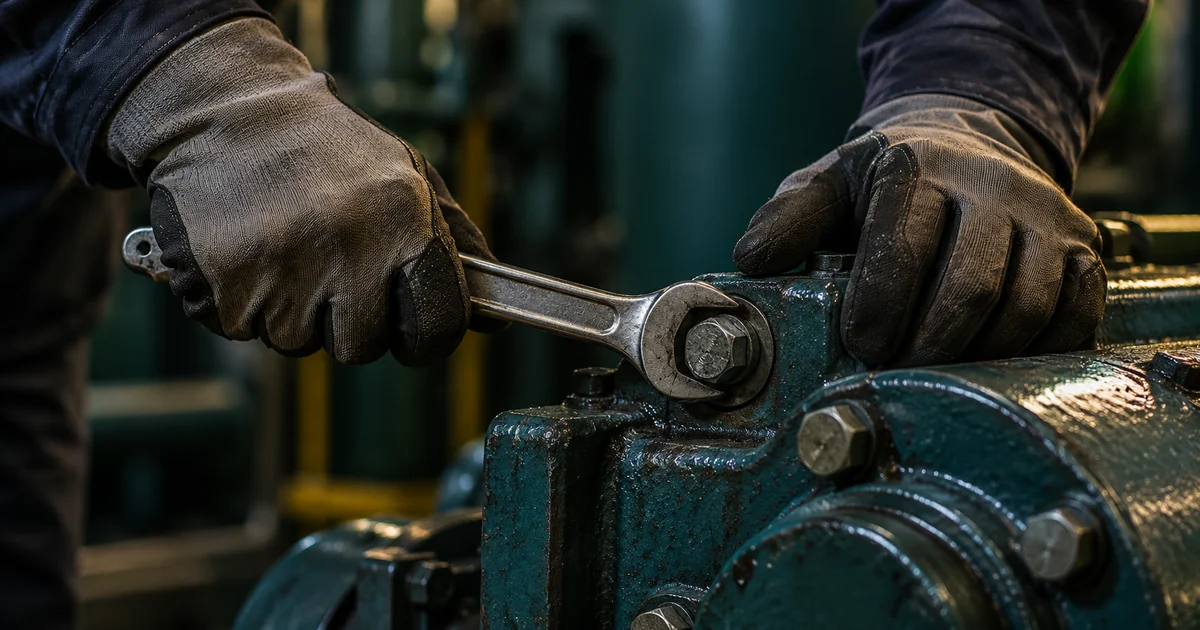
Unplanned downtime in a rice mill costs ₹5,000-15,000 per hour of lost processing time - not counting emergency repair costs and broken supply commitments…
Share your huller model and paddy type. We reply with a spec and quote within one working day.