

7 Signs It's Time to Replace Your Rice Polishing Wheels
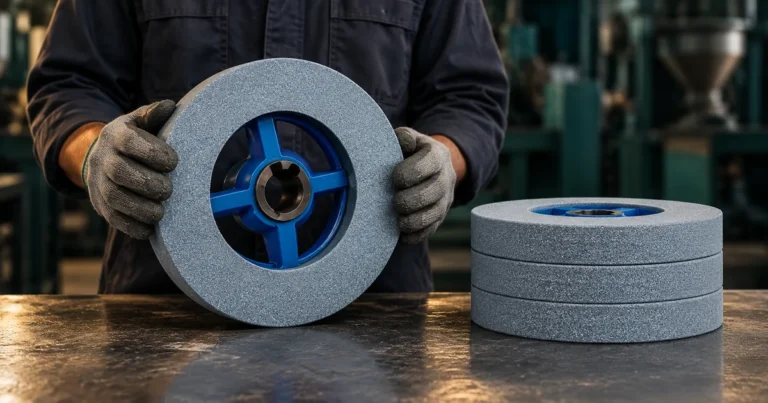
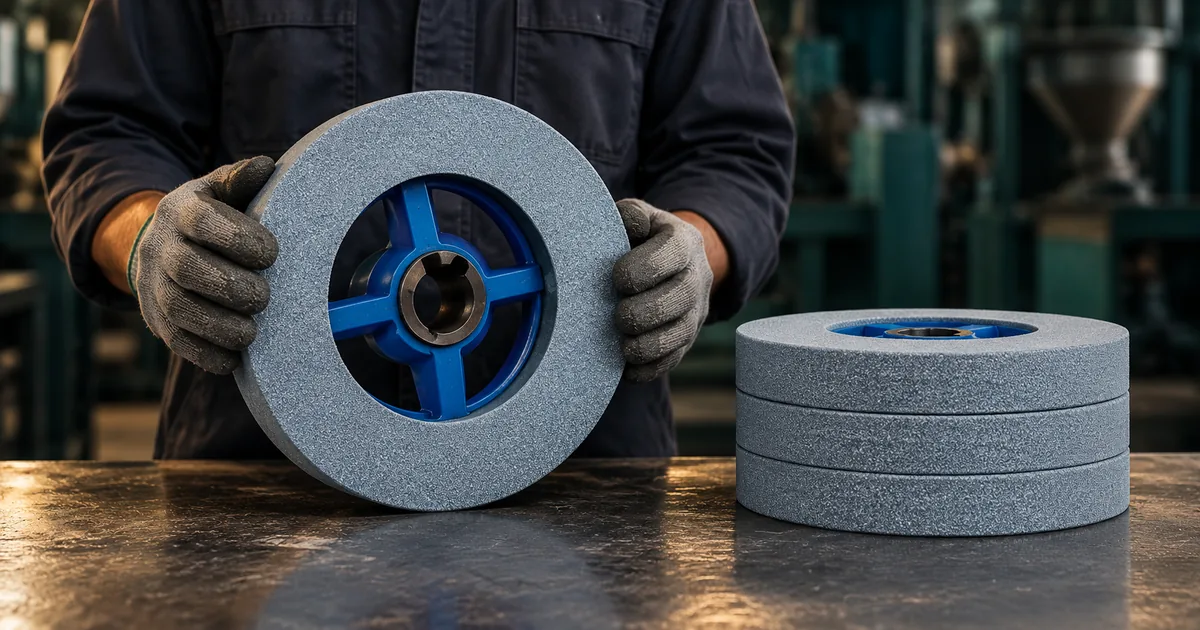
A worn rice polishing wheel does not announce itself with a breakdown - it fails slowly, costing you broken grain and energy every shift while appearing to…
A worn rice polishing wheel does not announce itself with a breakdown - it fails slowly, costing you broken grain and energy every shift while appearing to…
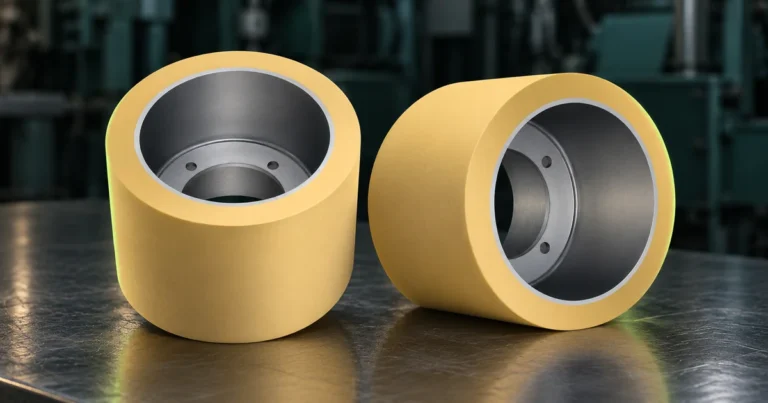
In a rice husker, two rubber rolls spin at slightly different speeds to create the friction that removes the husk. When those rolls are balanced - matched in…
Most rice mill breakdowns are predictable. The bearing that seizes mid-shift was running hot for three weeks. The rubber roller that failed was worn to 85% of…
Electricity is typically the second-largest operating cost in a rice mill after paddy procurement - consuming 15-25 kWh per tonne of paddy processed. For a 2…
Moisture content in paddy is not just a storage concern - it is the single biggest factor that determines broken rice percentage at the dehusking stage. Mills…
Paddy dust is the most underestimated hazard in a rice mill - invisible during operation, dangerous over time, and a compliance liability that regulators are…
Unplanned downtime in a rice mill costs ₹5,000-15,000 per hour of lost processing time - not counting emergency repair costs and broken supply commitments…
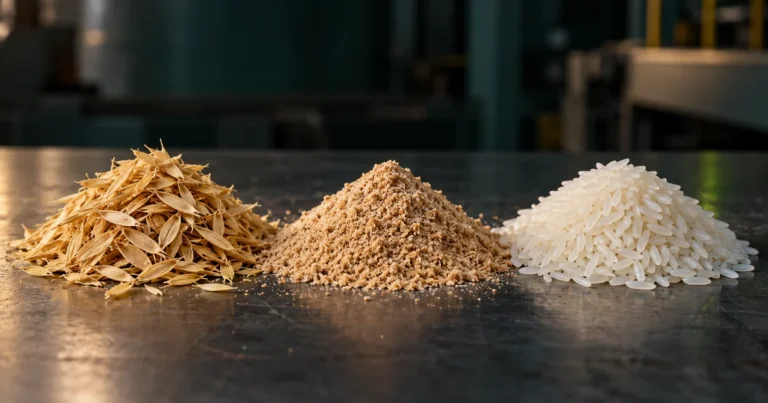
A rice mill doesn’t just produce rice - it produces revenue from waste. Rice mill waste management done right turns what most millers treat as a disposal…
A worn rice polishing wheel does not announce itself with a breakdown - it fails slowly, costing you broken grain and energy every shift while appearing to…
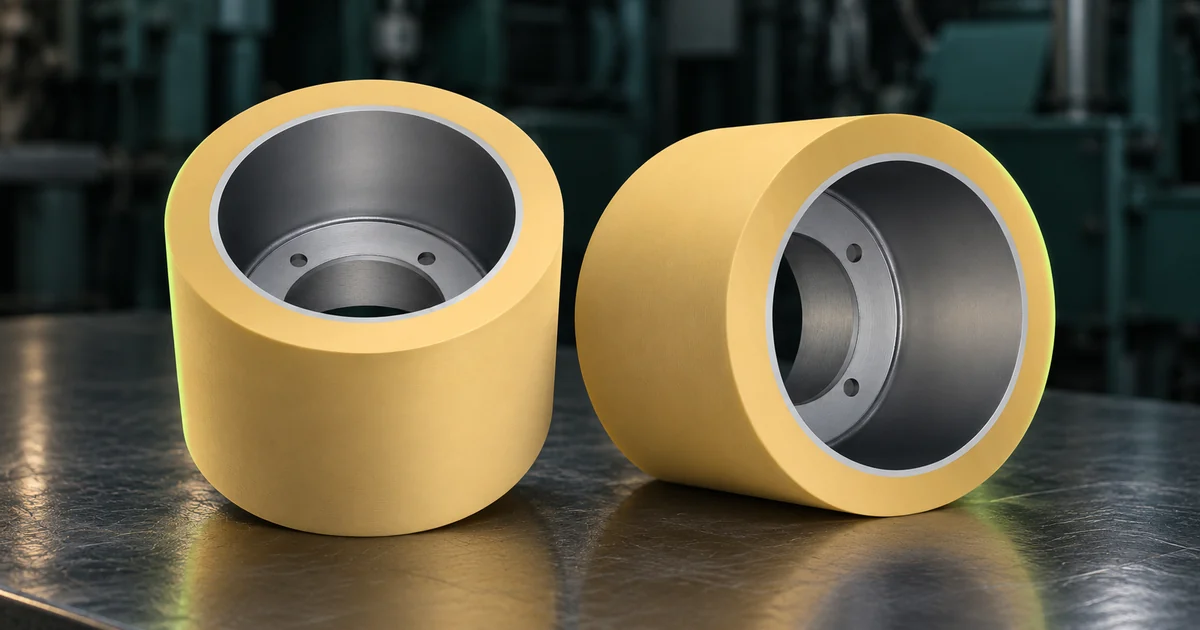
In a rice husker, two rubber rolls spin at slightly different speeds to create the friction that removes the husk. When those rolls are balanced - matched in…

Most rice mill breakdowns are predictable. The bearing that seizes mid-shift was running hot for three weeks. The rubber roller that failed was worn to 85% of…
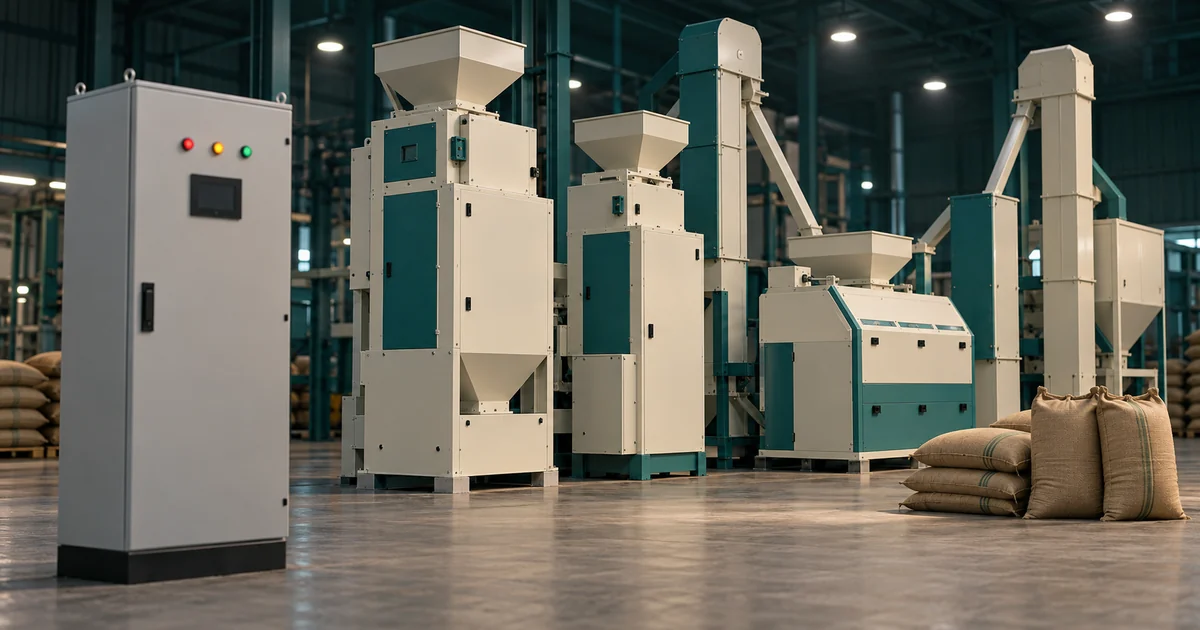
Electricity is typically the second-largest operating cost in a rice mill after paddy procurement - consuming 15-25 kWh per tonne of paddy processed. For a 2…
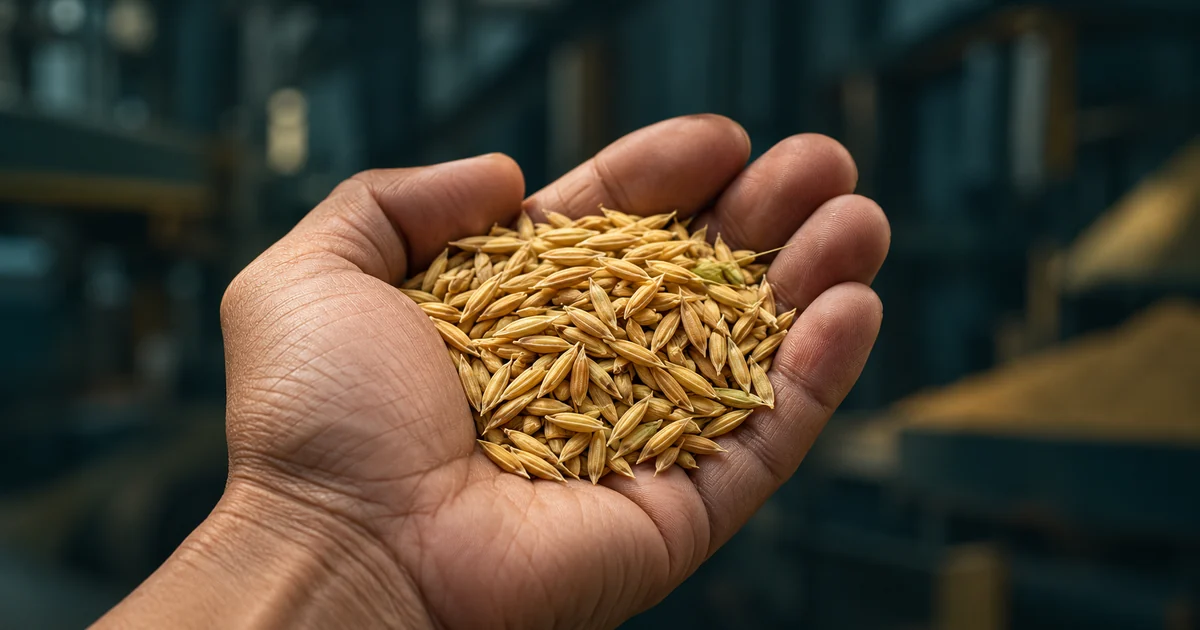
Moisture content in paddy is not just a storage concern - it is the single biggest factor that determines broken rice percentage at the dehusking stage. Mills…
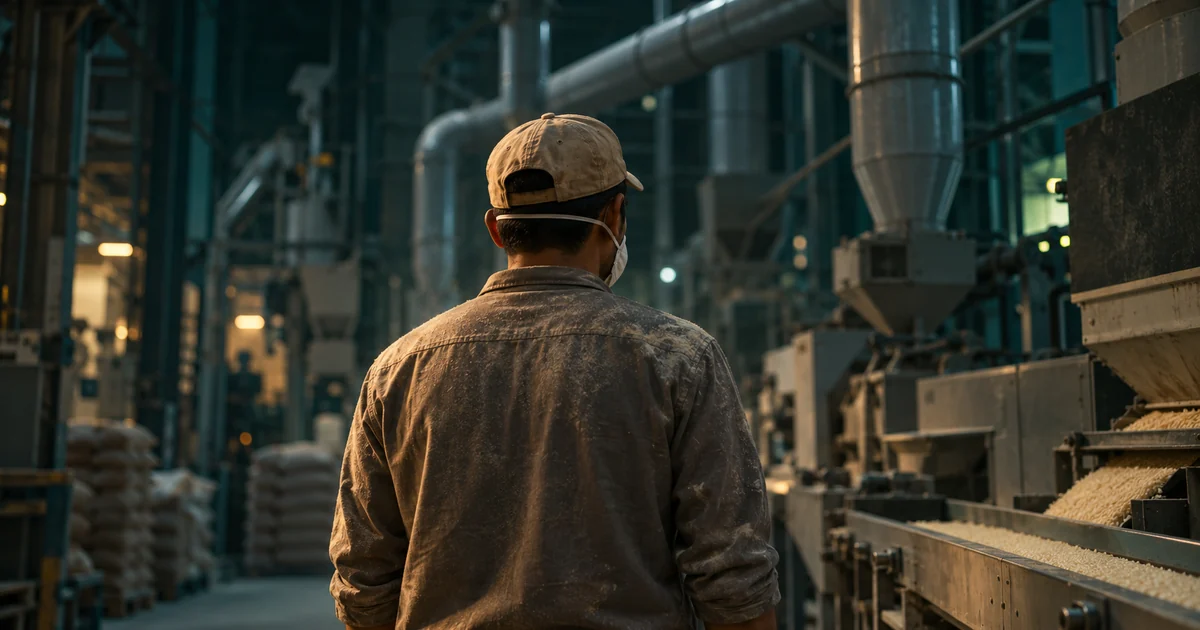
Paddy dust is the most underestimated hazard in a rice mill - invisible during operation, dangerous over time, and a compliance liability that regulators are…
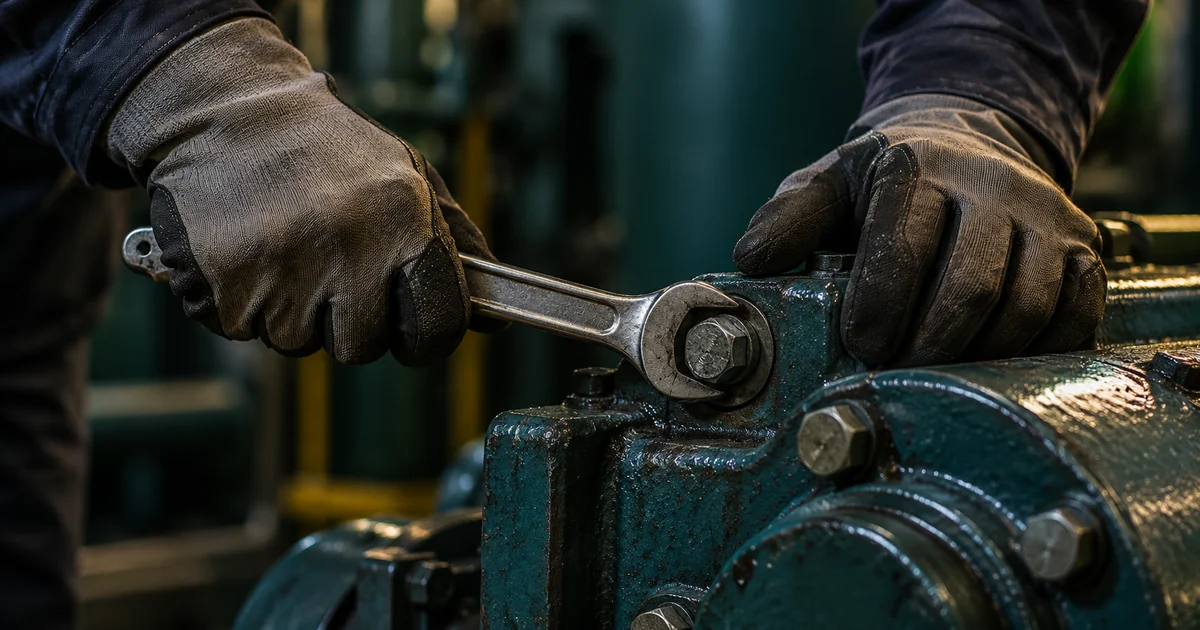
Unplanned downtime in a rice mill costs ₹5,000-15,000 per hour of lost processing time - not counting emergency repair costs and broken supply commitments…
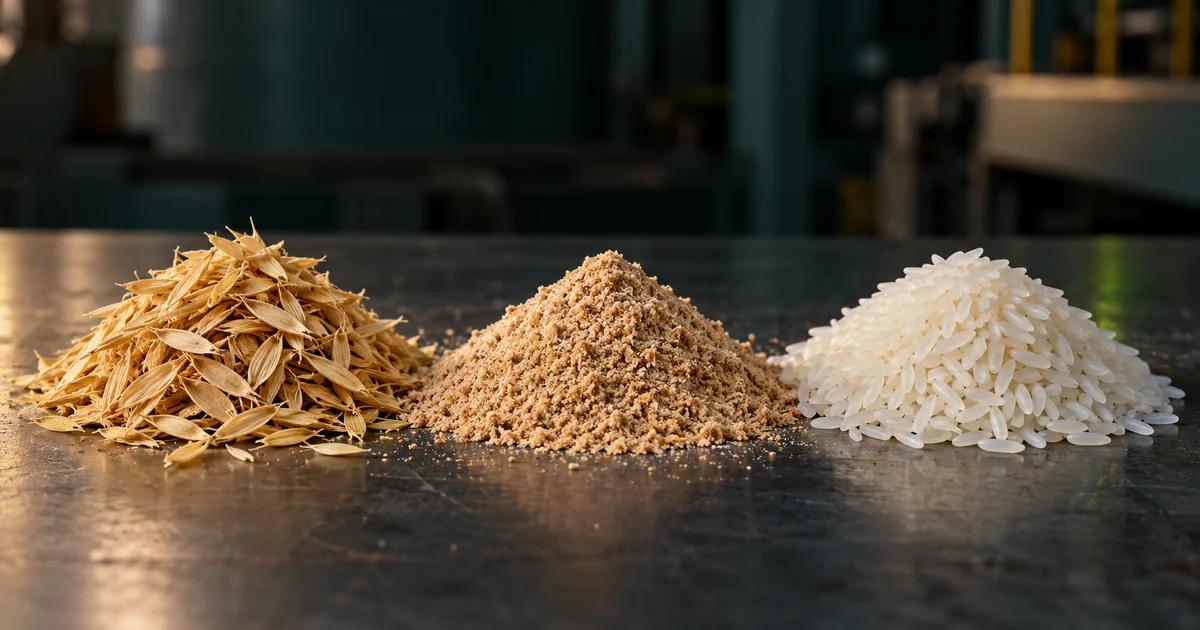
A rice mill doesn’t just produce rice - it produces revenue from waste. Rice mill waste management done right turns what most millers treat as a disposal…
Share your huller model and paddy type. We reply with a spec and quote within one working day.