
Rubber Roll Cost Per Tonne of Paddy: How to Actually Compare Suppliers
Roll price tells you almost nothing. Work out cost per tonne of paddy, add the breakage you are paying for, and quotes finally become comparable.
Practical guides on rice milling, rubber roll selection and mill maintenance, written by the Gold Mohur Overseas team.
Roll price tells you almost nothing. Work out cost per tonne of paddy, add the breakage you are paying for, and quotes finally become comparable.
Read the guide →A rice grader machine is the last quality gate in a rice mill. After the rice is hulled, whitened, and polished, the grader sorts the grains by size and length...
When paddy (rough, unhusked rice) is milled, only part of its weight becomes edible white rice. The rest leaves as husk, bran, and germ. Knowing exactly how much rice you...
1121 basmati is India’s highest-value export rice variety - and the most demanding to mill without breakage. Its extreme grain length (7.8-8.4mm raw, expanding…
A worn rice polishing wheel does not announce itself with a breakdown - it fails slowly, costing you broken grain and energy every shift while appearing to…
Rubber rollers in a rice husker operate under continuous compressive load, friction heat, and ambient temperature - all of which affect performance and…
The processing machines in a rice mill - husker, whitener, polisher, grader - are connected by a material handling network that most mill owners never audit…
In a rice husker, two rubber rolls spin at slightly different speeds to create the friction that removes the husk. When those rolls are balanced - matched in…
Most rice mill breakdowns are predictable. The bearing that seizes mid-shift was running hot for three weeks. The rubber roller that failed was worn to 85% of…
A rice rubber roller looks simple - a cylinder of rubber on a metal core. But the manufacturing process behind it determines whether your husker runs at 90%…
Roll price tells you almost nothing. Work out cost per tonne of paddy, add the breakage you are paying for, and quotes finally become comparable.
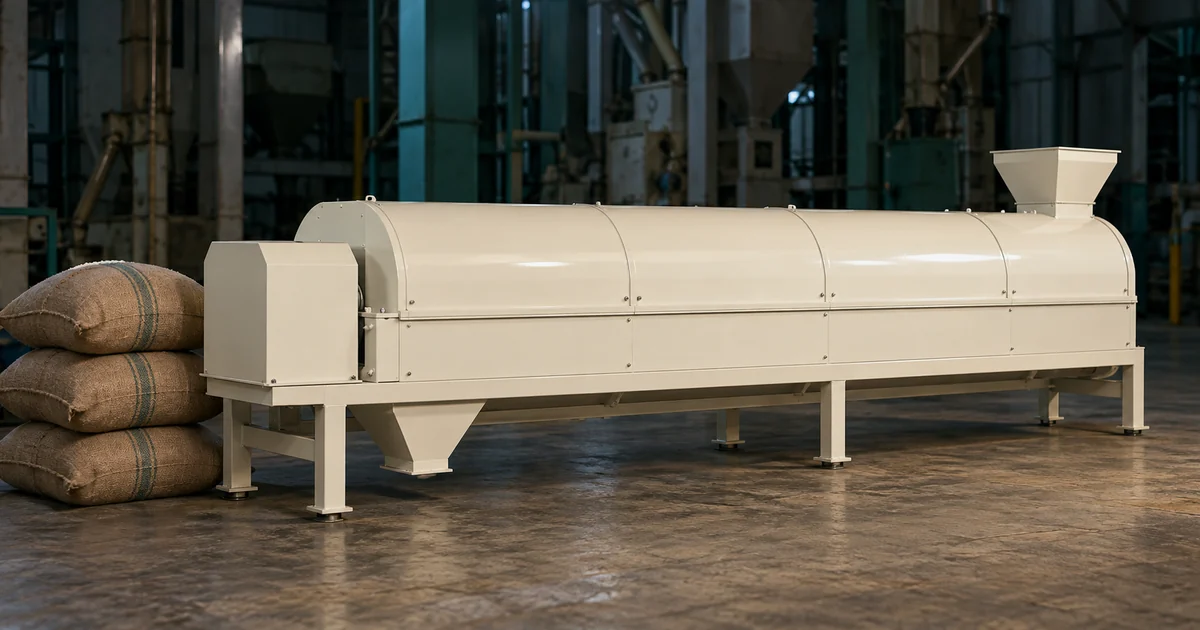
A rice grader machine is the last quality gate in a rice mill. After the rice is hulled, whitened, and polished, the grader sorts the grains by size and length so that whole “head rice” is separated from broken kernels. Because the share of broken grains decides both the grade and the selling price, the
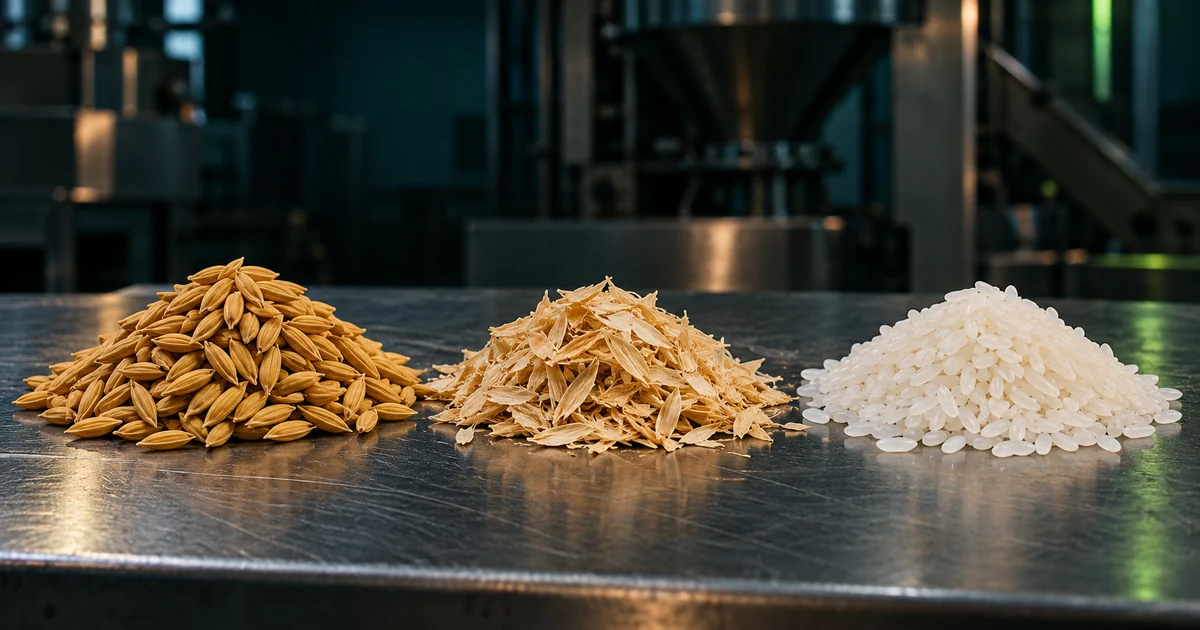
When paddy (rough, unhusked rice) is milled, only part of its weight becomes edible white rice. The rest leaves as husk, bran, and germ. Knowing exactly how much rice you get from paddy matters for costing, procurement, and judging how well a mill performs. This guide gives the paddy-to-rice conversion figures, explains the difference between
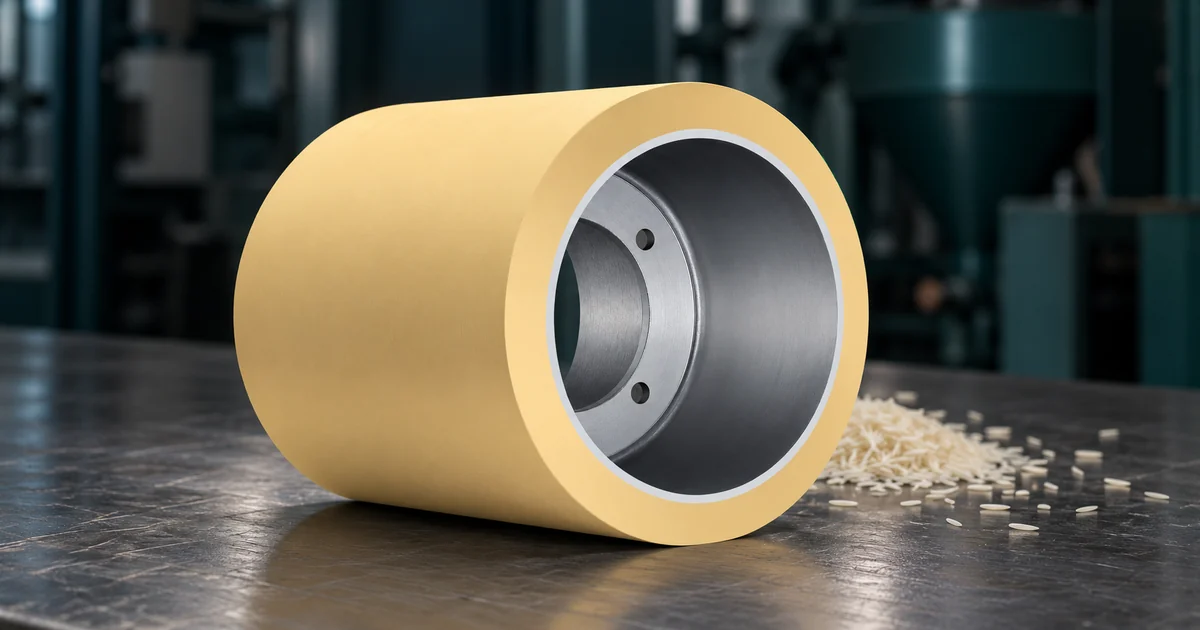
1121 basmati is India’s highest-value export rice variety - and the most demanding to mill without breakage. Its extreme grain length (7.8-8.4mm raw, expanding…
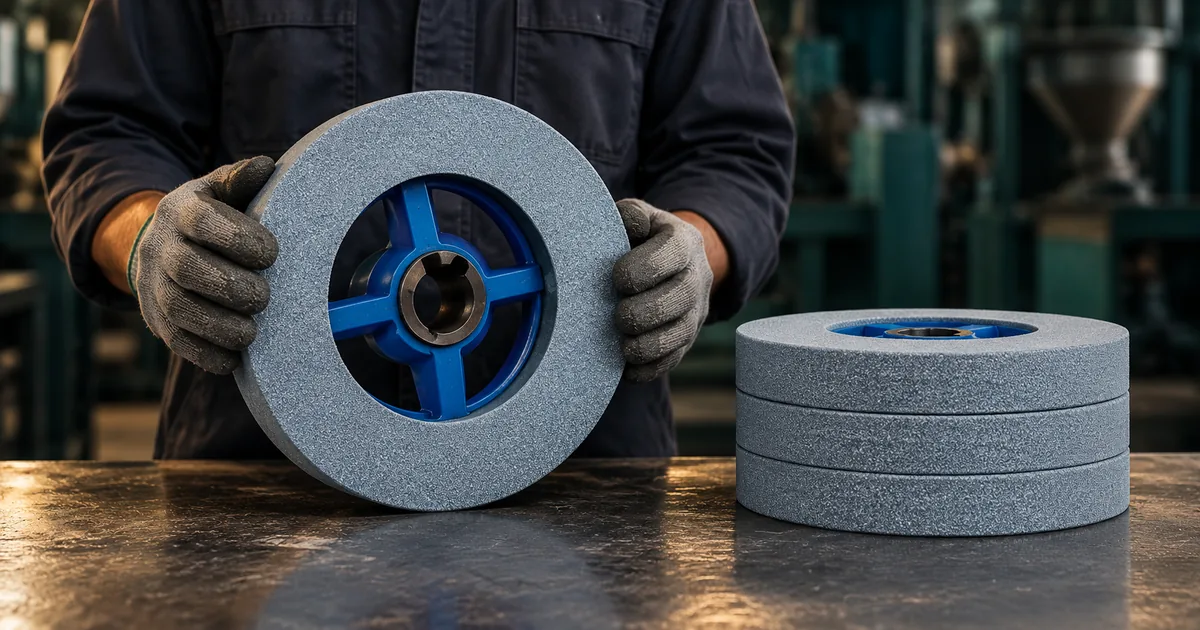
A worn rice polishing wheel does not announce itself with a breakdown - it fails slowly, costing you broken grain and energy every shift while appearing to…
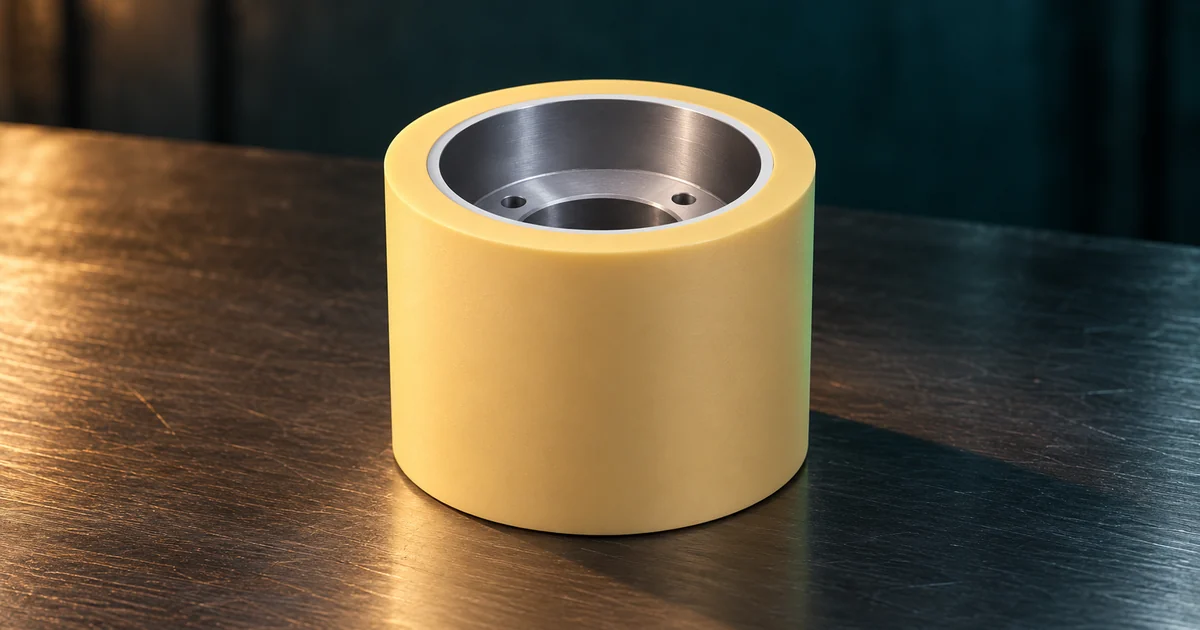
Rubber rollers in a rice husker operate under continuous compressive load, friction heat, and ambient temperature - all of which affect performance and…
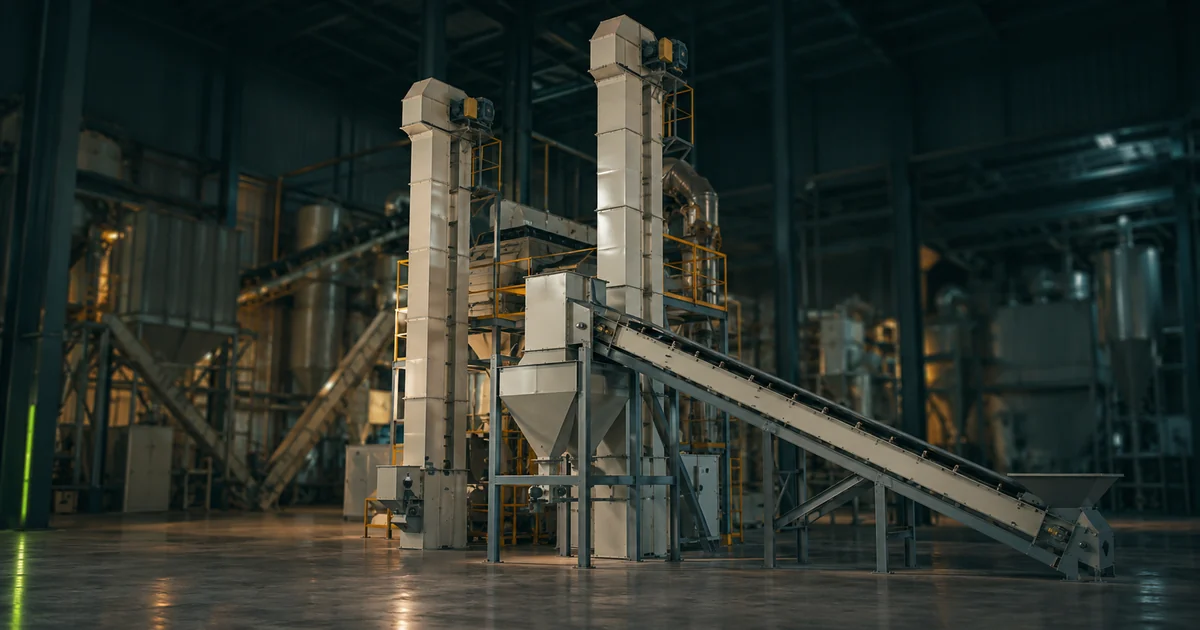
The processing machines in a rice mill - husker, whitener, polisher, grader - are connected by a material handling network that most mill owners never audit…
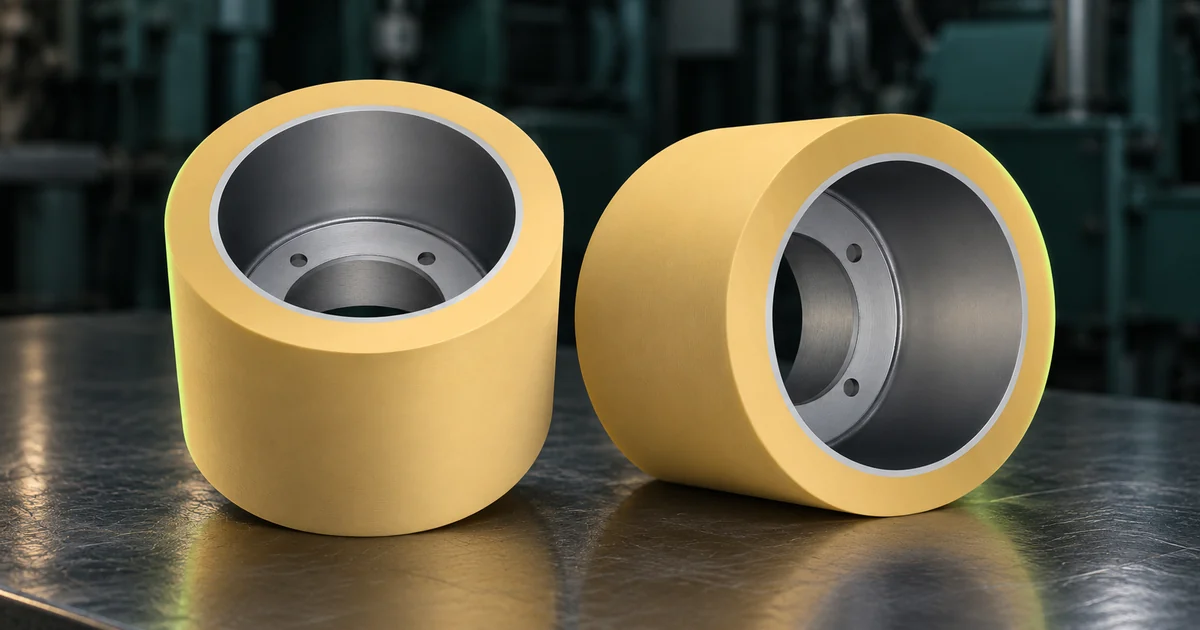
In a rice husker, two rubber rolls spin at slightly different speeds to create the friction that removes the husk. When those rolls are balanced - matched in…
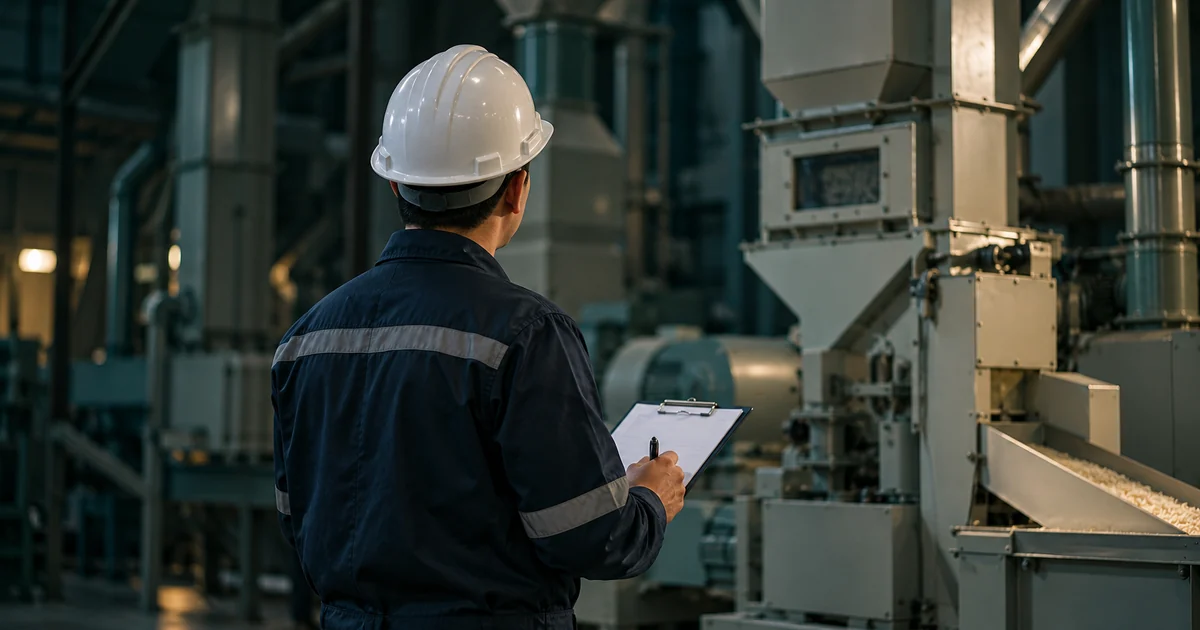
Most rice mill breakdowns are predictable. The bearing that seizes mid-shift was running hot for three weeks. The rubber roller that failed was worn to 85% of…
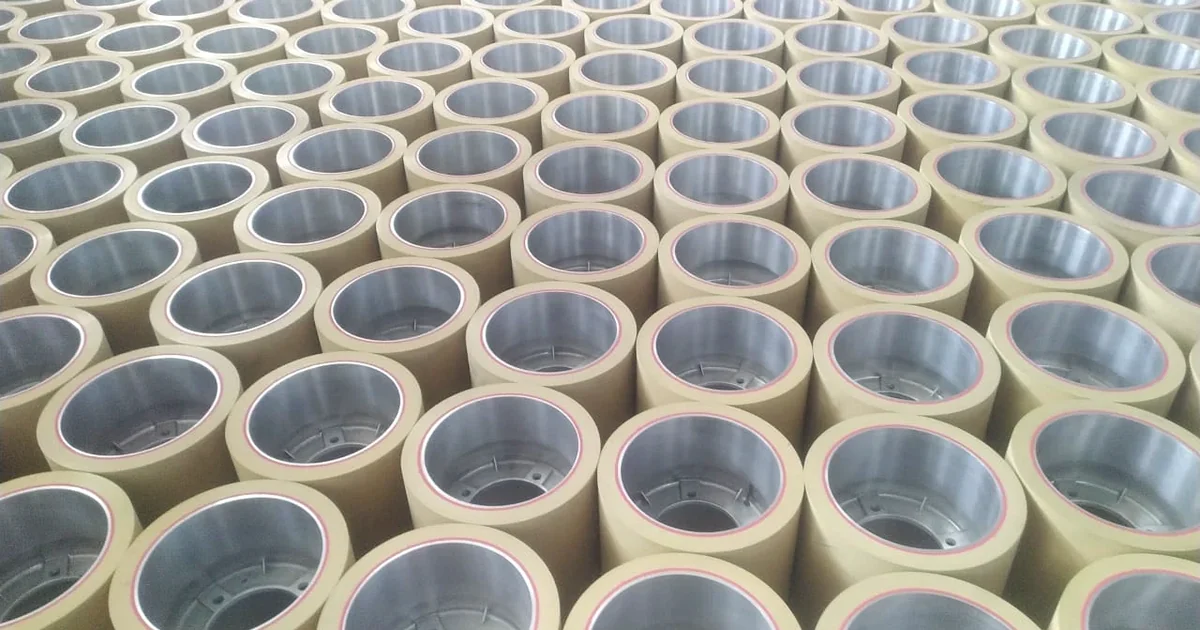
A rice rubber roller looks simple - a cylinder of rubber on a metal core. But the manufacturing process behind it determines whether your husker runs at 90%…
Share your huller model and paddy type. We reply with a spec and quote within one working day.