
Rice Milling Process

Products & Technology, Rice Milling Process

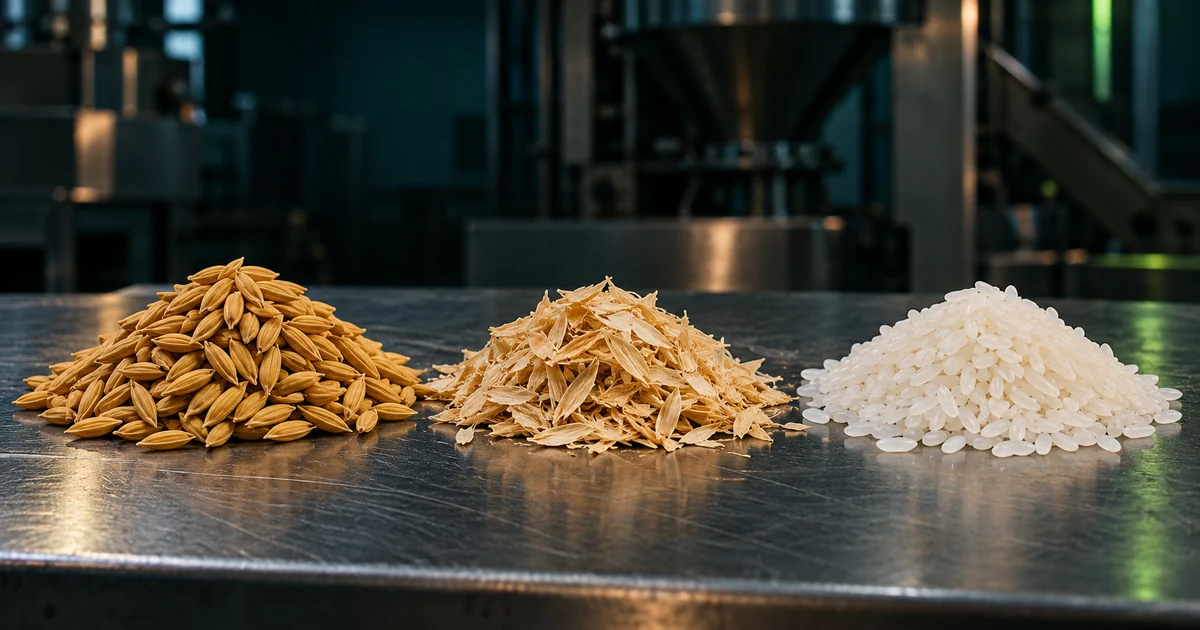
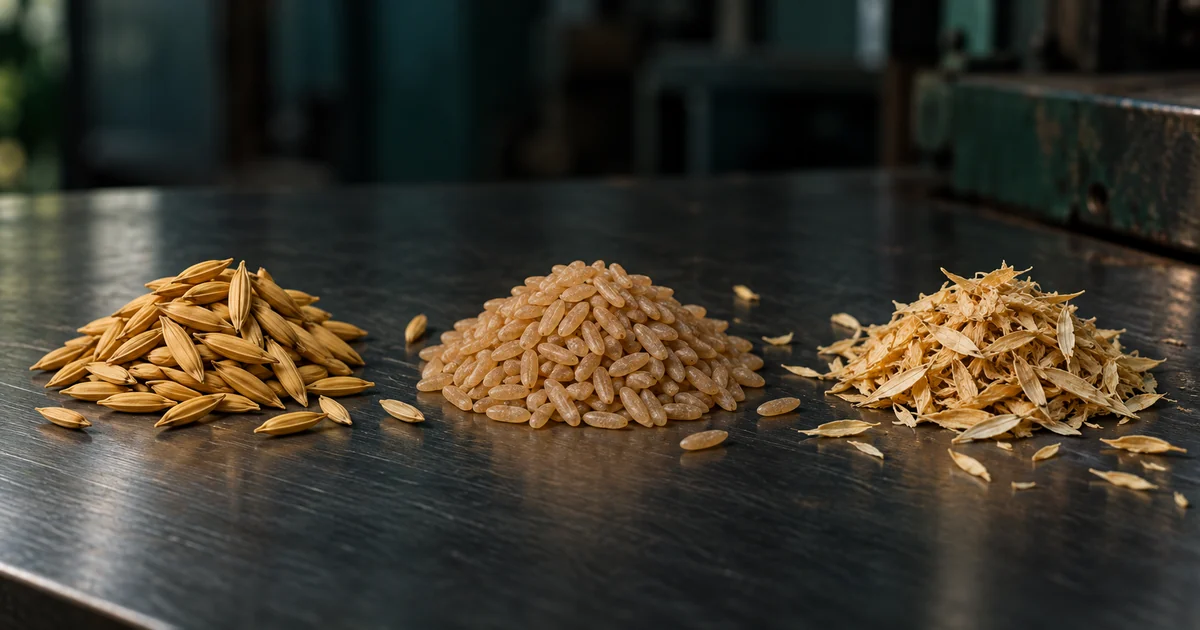
Why Consistent Dehusking Matters for Rice Quality and Mill Profitability

Why Consistent Dehusking Matters for Rice Quality and Mill Profitability What Causes Inconsistent Dehusking? Worn or mismatched rubber rollers Incorrect roller gap settings Moisture variations in paddy Wrong rubber hardness for the grain type Impact on Mill Profitability 1% reduction in head rice recovery = significant revenue loss per tonne Inconsistent quality leads to lower

Products & Technology, Rice Milling Process

Digital Transformation in Rice Milling

Digital Transformation in Rice Milling IoT Sensors: real-time monitoring of moisture, temperature, throughput Automated Quality Control: camera-based systems detect grain defects ERP Systems: integrated management of production, inventory, and sales Predictive Maintenance: ML algorithms predict equipment failures Energy Management Systems: automated optimization of energy consumption

Equipment Maintenance, Rice Milling Process

How to Improve Energy Efficiency in Rice Milling

How to Improve Energy Efficiency in Rice Milling Inefficient machinery may consume 20-30% more energy than modern alternatives. 6 Practical Strategies Energy-efficient machinery: replace old motors with energy-rated equivalents Variable Frequency Drives (VFDs): reduce motor energy consumption by 20-50% Boiler efficiency: use rice husk as biomass fuel for steam generation LED lighting: replace fluorescent fixtures

Equipment Maintenance, Rice Milling Process

Role of Controlled Paddy Dust During Rice Milling

Role of Controlled Paddy Dust During Rice Milling Controlling paddy dust is essential for worker health, equipment longevity, product quality, and regulatory compliance. Methods of Dust Control Cyclones and Filters: primary dust collection from process air streams Wet Scrubbers: water-based dust suppression for fine particles Enclosure and Extraction: enclosed machinery with local exhaust ventilation Improved

Equipment Maintenance, Rice Milling Process

Waste Management in Rice Mills: Turning By-products into Sustainable Resources

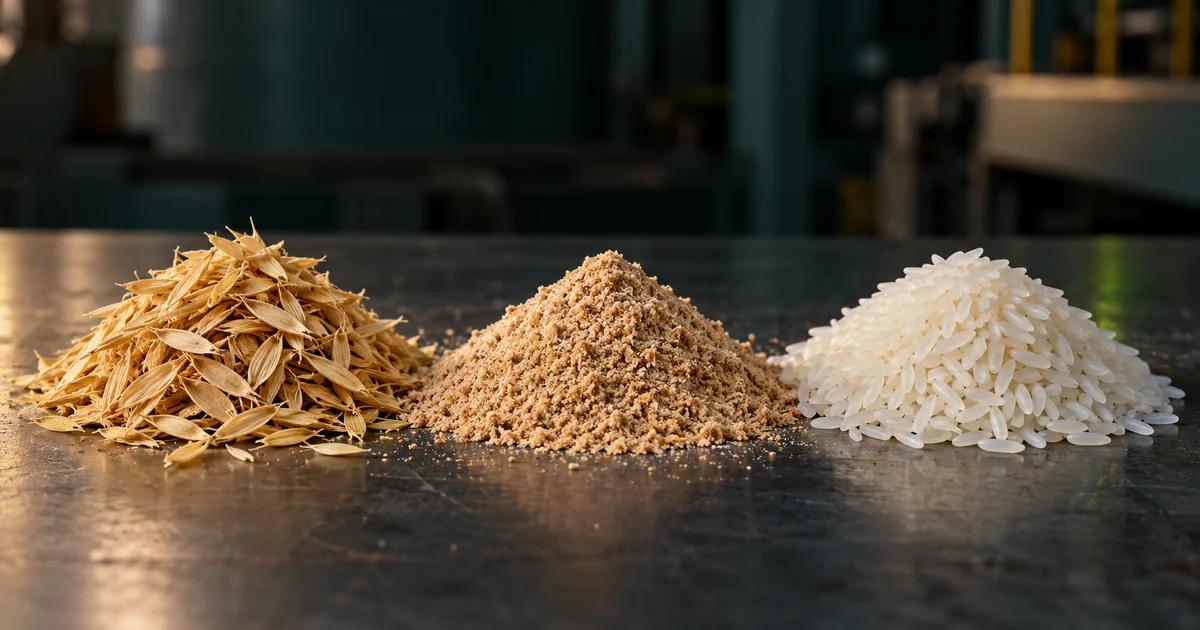
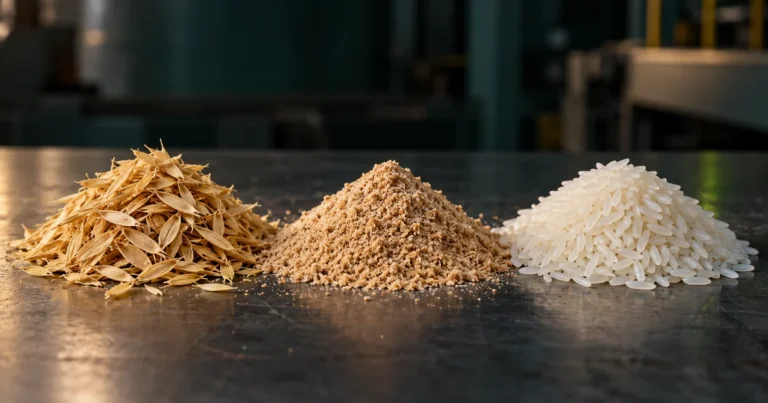
Waste Management in Rice Mills: Turning By-products into Sustainable Resources Rice milling generates significant waste including husk, bran, broken rice, and wastewater. Modern waste management is essential for sustainability, efficiency, and profitability. Rice Mill Waste Types Rice husk: outer paddy layer removed during de-husking Rice bran: nutrient-rich layer removed during polishing Broken rice: grains damaged

Scroll to Top